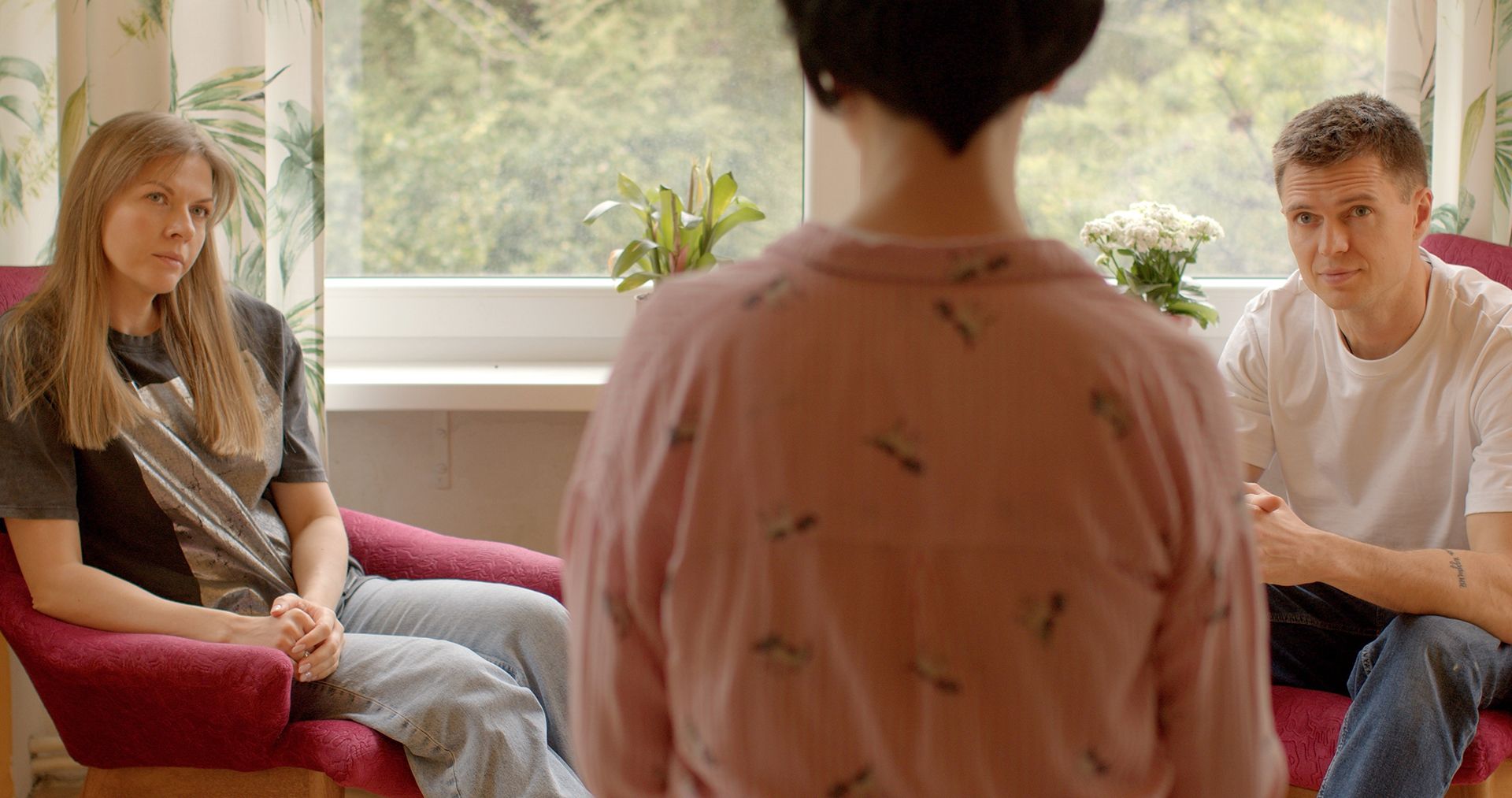
Present Moment Awareness: How Gestalt Therapy and Yoga Work Together

Gestalt therapy and yoga, though rooted in very different traditions, converge in one essential aim: cultivating awareness in the present moment. Both practices invite individuals to step out of autopilot and into direct, lived experience—where meaningful change and insight occur.
In Gestalt therapy, the focus is on what is happening now. Rather than analyzing the past from a distance, attention is brought to immediate experience—sensations in the body, emerging thoughts, emotional shifts, and relational patterns as they unfold in real time. This moment-to-moment awareness strengthens one’s ability to recognize patterns, make conscious choices, and engage more fully with life.
Yoga develops this same capacity through the body. In posture practice, attention is anchored in breath, alignment, and sensation. Moving with awareness—rather than force—requires a steady presence. The breath becomes a guide, continually returning attention to the here and now. Over time, this cultivates a refined sensitivity to subtle internal cues and a more grounded, embodied sense of self.
The ethical framework of yoga, expressed through the Yamas and Niyamas, further supports present-moment awareness by encouraging intentional living. Practices such as self-discipline, contentment, and compassion reduce internal conflict and create the conditions for deeper attention. When daily life is aligned with these principles, the mind becomes less scattered and more available to present experience.
Together, Gestalt therapy and yoga create a complementary pathway: Gestalt sharpens awareness of psychological and relational processes, while yoga anchors that awareness in the body and breath. In both, healing and growth arise not from striving or fixing, but from fully contacting what is here, now.
As awareness deepens, individuals often experience greater clarity, ease, and integration—hallmarks of a life lived with presence rather than reactivity. Supported by continued learning and reflection, this integration of mind and body can become a powerful foundation for personal transformation.